Spring Planning Tips for Concrete Installation Projects
Spring is the perfect time for property owners to connect with local contractors who can enhance driveways, patios, and outdoor spaces for lasting durability and curb appeal.
Spring is often considered an ideal time to plan for concrete installation projects because the season typically brings warmer weather and longer daylight hours. These conditions help facilitate outdoor work, allowing contractors to operate efficiently and safely. Additionally, spring provides property owners with the opportunity to refresh and enhance their outdoor spaces ahead of summer, making it a popular season to undertake new concrete installations such as patios, walkways, driveways, or decorative features. Planning during this time can also help ensure that the project is completed in time for outdoor gatherings and seasonal activities.
Concrete installation services generally encompass a range of tasks to meet various property needs. This includes preparing the site, which involves grading and excavation to ensure a stable foundation. Contractors then pour and finish the concrete, paying attention to surface smoothness, texture, and durability. Many service providers also offer decorative options like stamping, staining, or adding color to customize the look of the finished surface. Whether for functional or aesthetic purposes, local contractors can handle projects that improve outdoor accessibility, curb appeal, or property value, often tailoring their services to suit specific design preferences and structural requirements.
Property owners interested in concrete installation can approach their search by comparing local service providers to find options that best match their project goals. This involves reviewing the scope of services offered, understanding each contractor’s experience with similar projects, and evaluating their reputation through references or reviews. It’s helpful to consider how different local contractors approach site preparation, finishing techniques, and decorative options. By gathering information on the services available in the area, property owners can make informed decisions and select service providers that align with their project needs and aesthetic preferences, ensuring a successful and satisfying outcome.
Compare local contractors’ experience, credentials, and reviews to find the best fit for your spring concrete project.
- Spring Planning for Concrete Projects - Spring is an ideal time to start planning concrete installations for outdoor spaces.
- Material and Design Options - Local contractors can assist with selecting durable materials and appealing designs suited for seasonal use.
- Surface Preparation and Installation - Trusted service providers handle site preparation to ensure a stable foundation for new concrete surfaces.
- Seasonal Maintenance Tips - Local pros can offer advice on maintaining and caring for concrete surfaces during the spring and upcoming seasons.
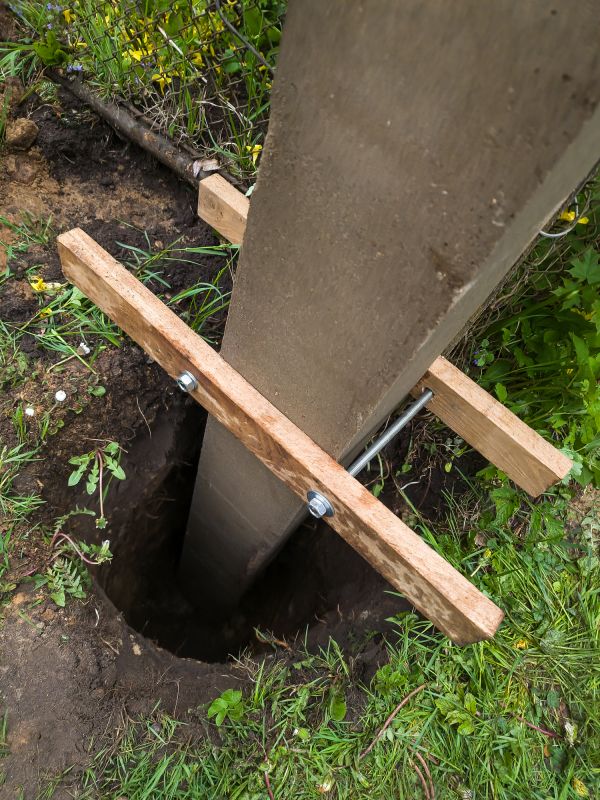
Begin by clearly describing your concrete installation project to help local contractors recommend suitable options and solutions.
- Assess the site for proper grading and drainage to ensure water flows away from the concrete. - Local contractors can evaluate the terrain and prepare the foundation accordingly.
- Verify that the subgrade is properly compacted and stable to support the concrete. - Experienced service providers can prepare a solid base to prevent future cracking.
- Ensure the weather forecast is suitable, with minimal rain and moderate temperatures, for optimal curing conditions. - Local pros can advise on timing and protection measures during installation.
- Check that formwork is accurately aligned and securely positioned to achieve the desired concrete shape and thickness. - Skilled contractors can set forms that ensure clean edges and proper dimensions.
- Confirm that the necessary materials, such as reinforcement and curing compounds, are available and ready for use. - Service providers can handle the proper placement of reinforcement and finishing products.
- Plan for adequate curing time and protection to maintain moisture and temperature during the initial setting period. - Local experts can recommend techniques to ensure proper curing for long-lasting results.
Use this as a springboard to explore concrete installation options with trusted local contractors.
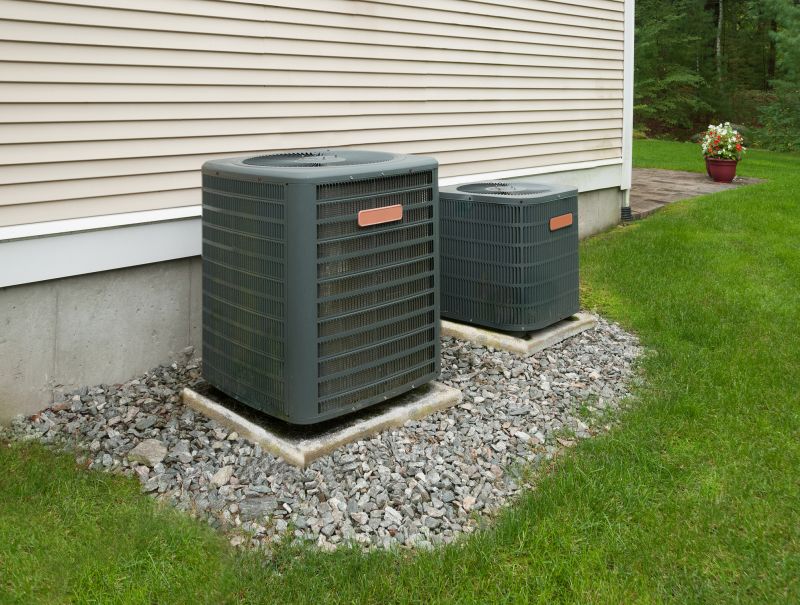
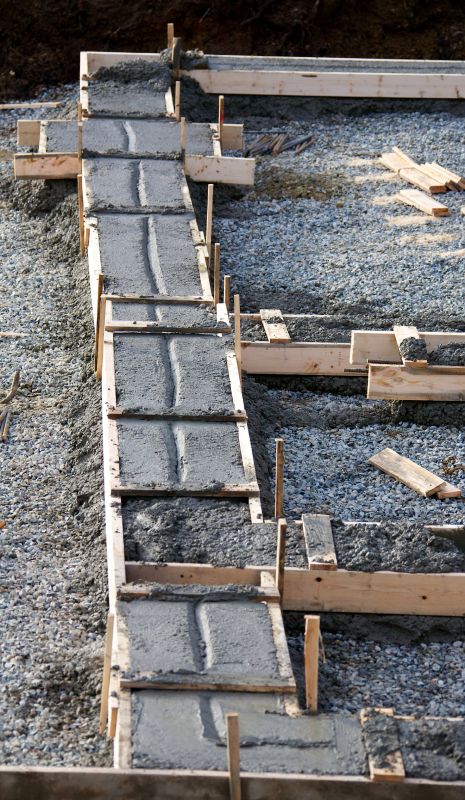


Prioritize your concrete installation needs and compare local contractors to find the best fit for your spring refresh.
- Driveway Resurfacing - Spring is an ideal time to upgrade or repair existing concrete driveways with the help of local contractors who specialize in resurfacing and restorative work.
- Patio and Walkway Installation - Installing new concrete patios and walkways can enhance outdoor spaces, with local service providers offering design and installation expertise.
- Concrete Pad for Outdoor Structures - Setting a sturdy concrete pad for sheds, pergolas, or outdoor kitchens is a practical spring project that local pros can handle efficiently.
- Garage Floor Repair - Repairing or replacing garage floors with concrete can improve durability and appearance, with local contractors providing expert services.
- Garden and Landscape Borders - Creating concrete borders around gardens or landscaping features can define outdoor areas and is often a popular springtime upgrade handled by local specialists.
Compare concrete installation services across local contractors to ensure consistent quality and reliable results.
- Site Preparation - Define the necessary site conditions and surface grading for proper concrete installation.
- Material Selection - Specify the type and quality of concrete and reinforcement materials suitable for the project.
- Design Specifications - Clarify the desired dimensions, thickness, and surface finish for the concrete work.
- Installation Methods - Outline the preferred techniques and procedures that local contractors should follow during installation.
- Curing and Protection - Establish requirements for curing methods and protective measures to ensure concrete durability.
When comparing local contractors for concrete installation during the spring season, it’s important to consider their experience with similar projects. Homeowners should inquire about the types of concrete work the service providers have completed in the past, such as driveways, patios, or walkways, to gauge their familiarity with the specific requirements of springtime installations. An experienced contractor will understand the unique considerations that come with spring weather, including fluctuating temperatures and moisture levels, which can impact curing times and surface finish. Evaluating a contractor’s portfolio or asking for references related to comparable projects can provide insight into their ability to handle the scope of work effectively.
Clear, written scope of work is essential when selecting a concrete installation service. Homeowners should seek detailed descriptions of what is included in the project, such as excavation, grading, reinforcement, finishing, and curing processes. A well-defined scope helps prevent misunderstandings and ensures that both parties have aligned expectations. When reviewing proposals or estimates, it’s beneficial to look for documentation that outlines the materials to be used, the dimensions of the project, and the specific tasks the contractor will perform. This clarity supports a smoother project execution and helps homeowners assess whether the service providers have a thorough understanding of the job.
Work planning considerations are particularly relevant during spring, as unpredictable weather can influence project timelines and procedures. Homeowners should discuss with potential service providers how they plan to accommodate springtime conditions, including scheduling adjustments for rain or temperature fluctuations. It is also helpful to understand the preparation steps, such as site clearing and soil stabilization, as well as how the contractors intend to manage curing times and protect freshly poured concrete from spring storms. Service providers with a comprehensive approach to planning are more likely to deliver quality results despite seasonal challenges.
Evaluating options among local contractors involves assessing their experience, scope clarity, and planning approach, rather than focusing solely on price. Homeowners can compare how well each service provider understands the specific needs of spring installation projects, their ability to communicate clearly through written proposals, and their approach to managing seasonal variables. Asking questions about their previous spring projects, requesting detailed work plans, and reviewing their project strategies can help identify service providers who are well-equipped to handle the job efficiently. This process supports making an informed choice that aligns with the project’s requirements and seasonal considerations.
Ask service providers for written scope details to ensure clear expectations for your spring concrete project.
- Spring-Season Planning - What aspects should be clarified when comparing concrete installation providers for spring projects?
- Scope of Work - How can homeowners ensure they understand the full extent of services offered by local contractors?
- Material Options - What differences in concrete types and finishes should be considered when evaluating providers?
- Preparation Requirements - How do local service providers differ in their approach to site preparation for spring installations?
- Experience and Specialization - What specific experience or seasonal expertise should be confirmed with concrete installers during spring planning?
What are the benefits of installing concrete in spring? Spring is an ideal time for concrete installation because of milder weather conditions, which can help ensure proper curing and reduce the risk of cracking caused by temperature fluctuations.
How should I prepare for concrete installation during spring? Preparing involves clearing the area, ensuring proper drainage, and working with local contractors who can assess site conditions to optimize the results of the spring project.
What types of concrete surfaces can be installed in spring? Local service providers can install a variety of concrete surfaces, including driveways, patios, walkways, and decorative concrete features suitable for springtime installation.
Are there specific considerations for concrete installation in spring? Yes, contractors consider factors like temperature, moisture levels, and forecasted weather to ensure the concrete cures properly and achieves desired durability.
How can I ensure a successful spring concrete project? Working with experienced local contractors who understand seasonal challenges and proper installation techniques can help achieve a high-quality, long-lasting surface.
What seasonal advantages do local concrete service providers offer in spring? They can provide expert guidance on planning and executing projects that take advantage of spring weather, helping to ensure the best results for your concrete installation.
This spring is an ideal time to consider concrete installation projects, whether updating a driveway, creating a new patio, or enhancing outdoor spaces. Visitors have learned that working with experienced local contractors can help ensure the job is handled efficiently and to their satisfaction. Comparing options through the quote form can provide clarity on available services, allowing for informed decisions tailored to specific project needs.
By using the quote form, visitors can easily connect with local service providers who specialize in concrete installation. This process offers a convenient way to explore different options, compare services, and find the right contractor for springtime projects. Taking a moment to reach out can help turn seasonal ideas into reality with the assistance of skilled local contractors.
Providing clear details about your concrete installation project helps local contractors understand your needs and plan effectively.
- Project Details - Share information about the specific concrete installation project you are planning or need assistance with.
- Site Conditions - Describe the current site conditions and any challenges that may affect the concrete installation process.
- Material Preferences - Indicate preferences for concrete types, finishes, or additional materials to be used in the project.
- Location Information - Provide the address or general area where the concrete work will take place to connect with local contractors.